
Who this is for
Mid-career technical professionals who feel the pull to go independent but aren’t sure how to start. This also applies to professionals who are starting in consulting practices. If you’re leaving a corporate role and suddenly realise that you are the product, brand, and marketing department, you’re the audience for this path. It’s perfect for those who want to transform expertise into a thriving solo or boutique consulting practice.
Transform
From “I think I could consult” to a clear niche and a compelling offer. Get clarity on what you do, who you serve, and why it matters; by following a roadmap, you’ll have a defined service package and be having real conversations with potential clients.
What you’ll get
- Positioning blueprint: Learn how to clarify your consulting niche that fits at the intersection of your skills, interests, and market demand. A consulting niche defines your consulting focus and must align with your skills, interests, and market demand for long-term success. Develop a clear value proposition that states who you help, what problem you solve, and how you deliver impact.
- First service offer: Shape your message into an offer and create one or two simple service packages to test. The goal is to provide a concise description of your services, identify your ideal client, and have a starter offer ready to share.
- Launch blueprint: Follow a plan to define your offer, build your brand, and secure your first clients. Establish a basic brand presence, update your LinkedIn profile, and prepare a basic website and pitch deck. Build momentum by reaching out to warm contacts, sharing value publicly, and tracking outreach so that you have meaningful prospect conversations and even submit proposals.
- Early client traction: Discover practical strategies to get visible and land clients. Leverage first-degree connections, second-degree introductions, and direct outreach. Your challenge isn’t expertise but visibility. Learn to sell what clients want to buy rather than forcing unvalidated packages.
- AI-assisted design: Use AI-driven tools to assist in defining your niche, setting up your business, and streamlining administrative and lead generation. AI assists you in researching markets, stress-testing your positioning, refining your offer, and even automating proposals.
This transformative path includes
- Niche discovery and validation: Clarify your skills, passions, and market demand. Learn why being all things to all people is a losing game and how to strike a balance between specificity and flexibility.
- Value proposition design: Develop a client-centred value proposition that defines who you serve, what problems you solve, and why your work matters. A strong value proposition drives profitability, enhances client attraction, and enables premium pricing.
- Offer packaging and pricing: Create simple service packages based on outcomes rather than time. Learn to test and refine pricing to build confidence and credibility.
- Brand and platform: Build a professional image with an updated LinkedIn presence, a basic website, and a concise pitch deck so clients trust you before they even meet you.
- Pipeline and outreach: Follow a rhythm of reaching out to warm contacts, sharing value publicly, and tracking activity to secure early conversations and proposals. Adopt proven outreach tactics, such as leveraging first-degree and second-degree connections.
- AI toolkit: Optional AI prompts assist you to identify high-value niches, draft positioning statements, and generate client-ready messaging.
Start here


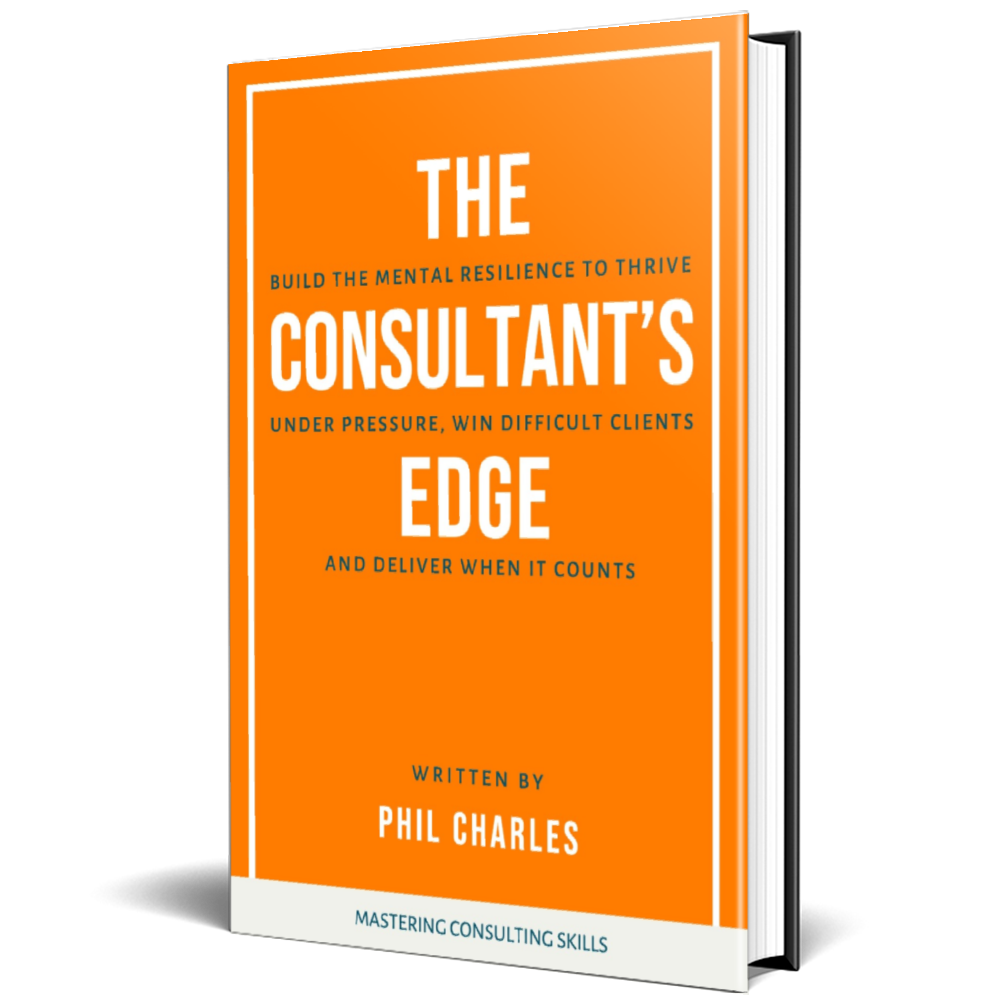
There is a gap between consultants who are technically excellent and consultants who build exceptional careers.
It is not a knowledge gap. It is a performance gap: the difference between the consultant who stays composed when a project goes wrong.
The Consultant’s Edge is a practical framework for closing that gap.

Articles on Position: The Confident Consultant
-

Whose Bridge Was It?
Ralph Freeman calculated every member of the Sydney Harbour Bridge. The client’s chief engineer said in print that he hadn’t designed it. What the fight teaches consultants about expertise, responsibility and credit. On the morning of 11 March 1929, Sydney commuters opened the Sydney Morning Herald on the ferries and found a long signed article on the…
-

Your expertise is not yet an offer
“I have 25 years of experience” is credible. It is not a reason to hire you. Technical professionals often describe their consulting services by listing their qualifications, years of experience, specialist knowledge and previous projects. All of these establish credibility. But they do not constitute an offer. A client is rarely looking to purchase 25…
-

The Most Expensive Mistake in Consulting
The advice they ask for isn’t the advice they need What if the most expensive mistake in consulting isn’t getting the answer wrong, but getting the question right on somebody else’s wrong problem? I saw this on an infrastructure assessment project I reviewed. The technically excellent consultant spent eight weeks conducting a detailed geotechnical analysis.…
-
The Practice Leak Most Technical Consultants Don’t See
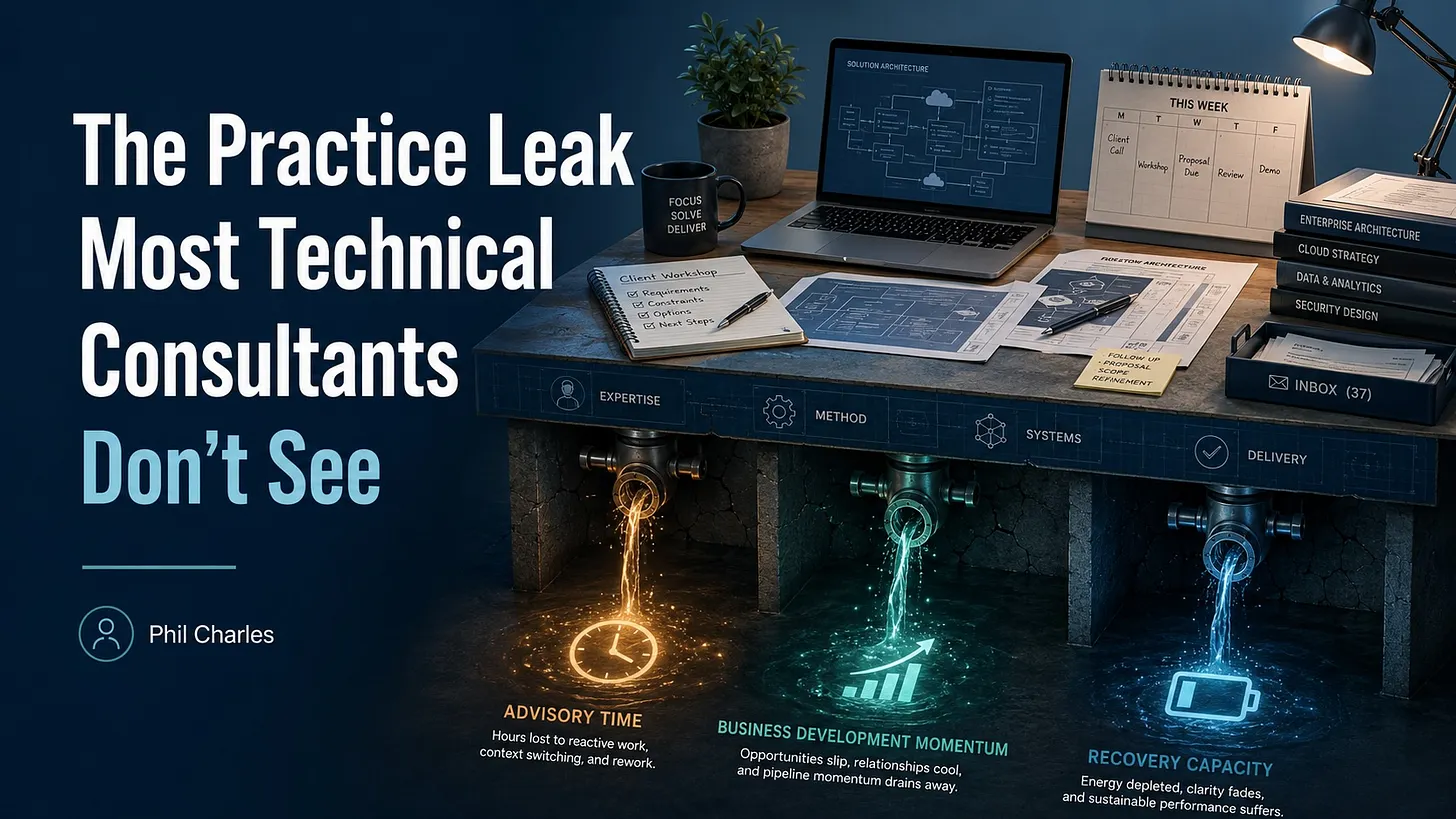
Most technical consultants are not short of expertise. They are short of protected conditions for using that expertise well. The options paper gets written between meetings. The expert review happens after three client calls and a morning of email. The proposal follow-up gets pushed to Friday afternoon, then disappears. The client day technically ends, but…
-
Expertise Is Not a Business
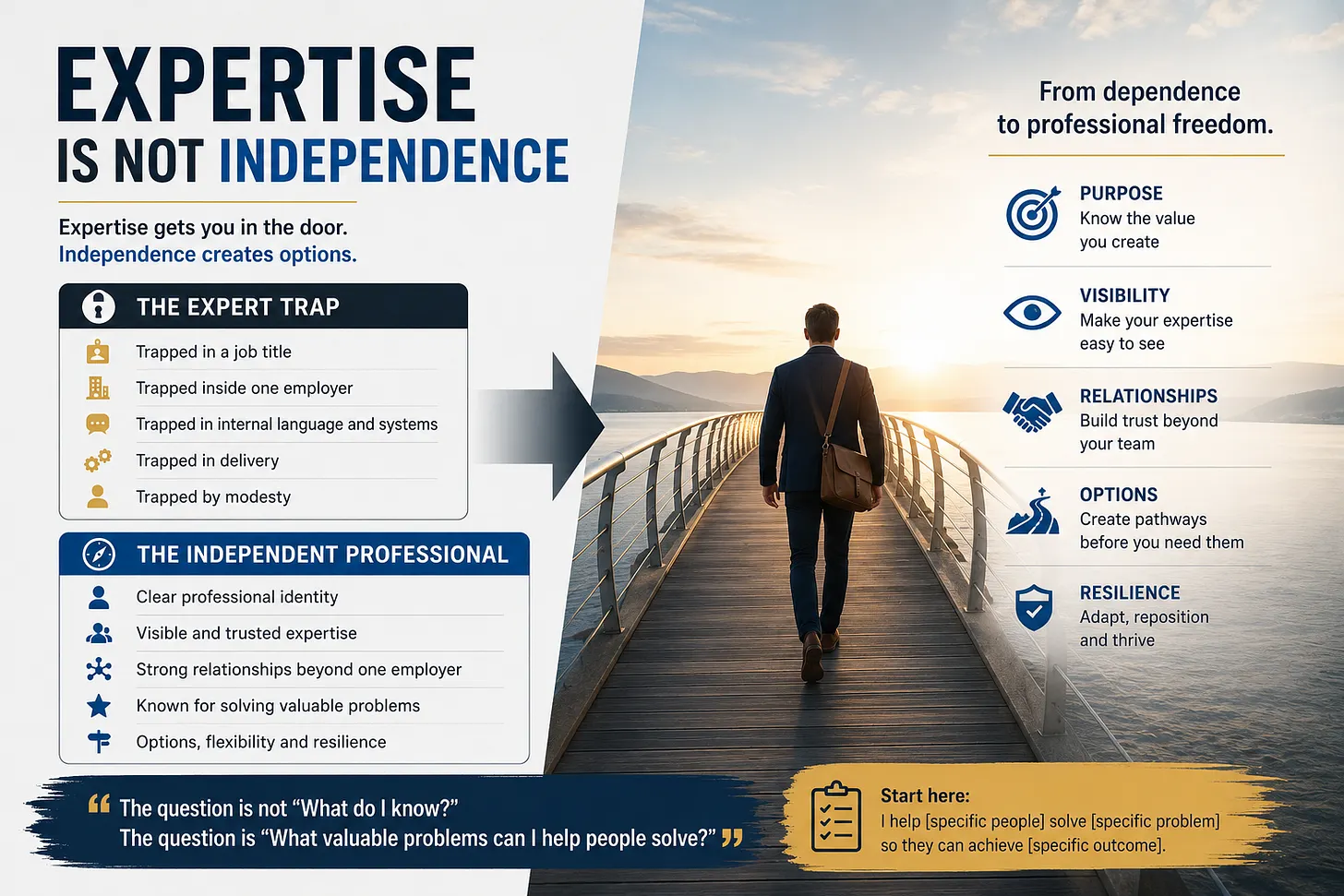
Most consultants started with a version of the same plan. Leave employment, take your expertise with you, and build a practice around what you know. It’s a reasonable plan. For a while, it often works. But expertise, by itself, is not a business. It’s raw material. The consultant’s version of the hidden expert problem Employed…
-

Package Your Thinking or Keep Leaving Money on the Table
How proprietary frameworks change the commercial structure of your practice What if the expertise you’ve spent years developing is worth significantly more than what you’re currently charging for it, and the gap isn’t about skill? Most consultants carry their best thinking inside their heads. The ones who build lasting practices put it somewhere else. When…
-

The Advice No One Asked For
Why the insight beyond the brief is the one clients remember The advice that wins more work is rarely the advice the client asked for. Most consultants wait to be asked. The ones who consistently win more work don’t. There is a passage in Hold the Line that I return to often when thinking about what retained…
-

What Busy Consultants Get Wrong
How clarity attracts clients marketing never could What if the reason clients aren’t finding you has nothing to do with your marketing and everything to do with your position? Most consultants don’t have a marketing problem. They have a positioning problem. In an analysis of 140 consultants who consistently generate inbound work on LinkedIn, a…
-

How Clients Decide Whether to Trust You
Three things clients observe before they decide to give you real access Your new client is already deciding whether to trust you. The question is whether you know which moments they’re using to make that call. In The Trusted Advisor, David Maister and his co-authors open with an observation that most consultants find uncomfortable: clients almost…
-

Is AI Diluting Your Thought Leadership?
Three reasons your expertise must lead your content If your content sounds like everyone else’s, why would a client choose you over anyone else? In March 2026, Harvard Business Review published an article with an uncomfortable question as its title: Has AI Ended Thought Leadership?1 The argument was pointed. As generative AI made it effortless…